
The Allure of Casino Games
Casino games have long captivated players across the globe, drawing them into a world filled with bright lights, excitement, and the potential for substantial winnings. The allure of these games can be traced back to various psychological factors, such as the thrill of risk and the availability of australian casino apps, which allow players to enjoy gaming from their own homes. Players often find themselves caught in a cycle of anticipation and reward, making the gaming experience not just about monetary gain, but an emotional journey as well.

The psychology of excitement is integral to understanding why people are drawn to casinos. The brain releases dopamine, a neurotransmitter associated with pleasure, when players experience wins, even small ones. This creates a positive feedback loop that compels players to continue engaging with these games, often reinforcing their commitment to specific strategies. As such, the excitement surrounding casino gaming is not merely a superficial attraction but a deeper psychological reward that keeps players returning for more.
The Role of Strategy in Gaming
Many players adopt specific strategies in their gaming approach, from managing their bankroll to selecting particular games to play. Understanding the psychology behind these strategies reveals a lot about how players make decisions in casinos. For instance, players often employ strategies like the Martingale system in table games, believing that it can increase their chances of winning in the long run. However, the effectiveness of such strategies is often outweighed by the inherent house edge present in casino games.
Strategic gaming is also tied to cognitive biases, such as the illusion of control, where players believe they can influence the outcome of games of chance. This belief can lead to overconfidence, causing players to risk more than they ought to. Recognizing these biases is essential for players to develop a more self-aware and realistic approach to gaming, ultimately leading to a more satisfying experience that balances enjoyment and responsibility.
Emotions and Gambling Behavior
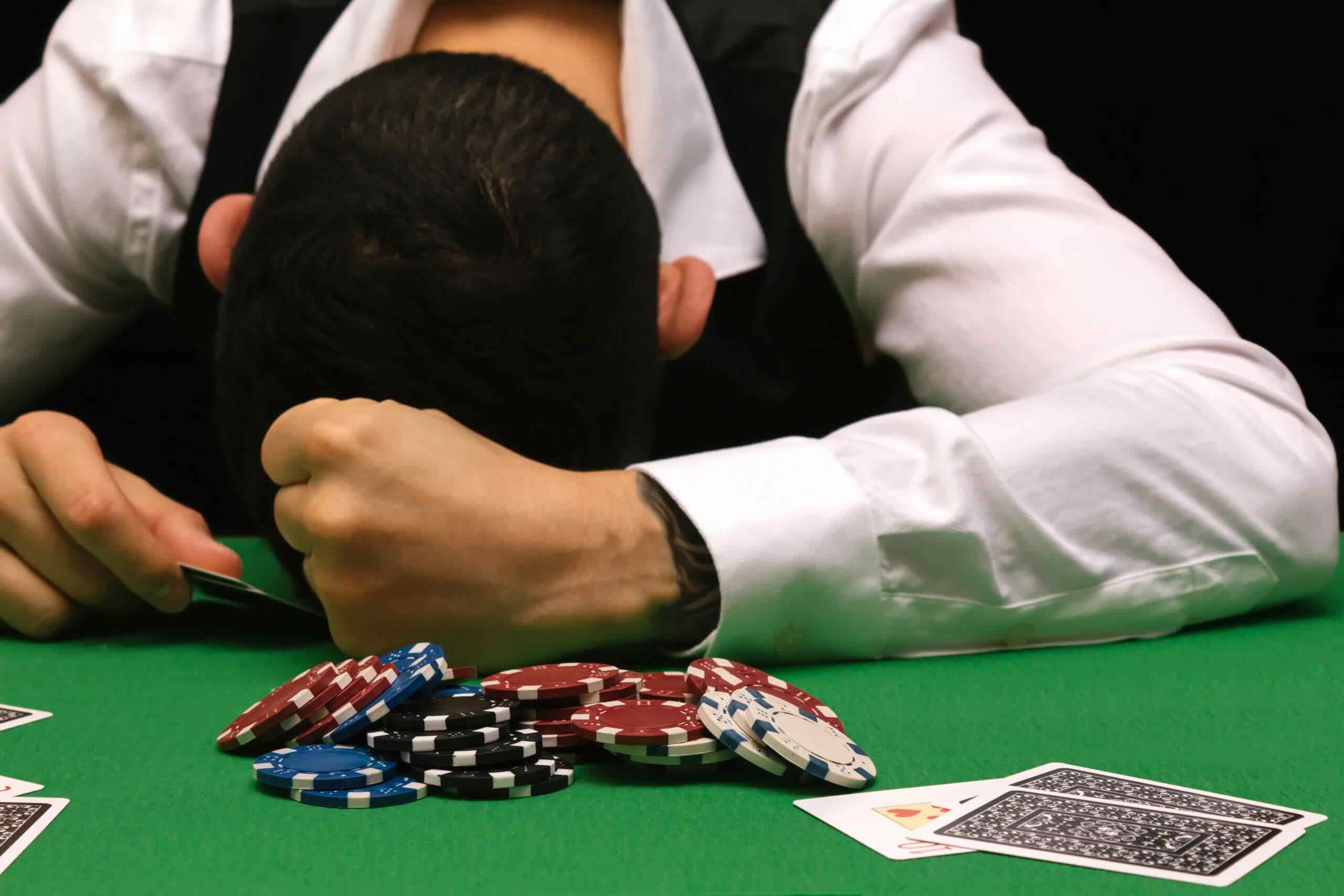
Emotions play a significant role in gambling behavior, influencing how players react to wins and losses. The excitement of winning can quickly turn into frustration or despair when faced with losses. This emotional rollercoaster can drive players to adopt riskier strategies, in a bid to regain lost money, often known as chasing losses. Such behavior can be detrimental and is one of the primary psychological pitfalls in the gambling experience.
Moreover, the concept of ‘near-misses’—where players come close to winning but ultimately do not—can skew perceptions of luck and success. The emotional response to these experiences can encourage players to continue gambling, hoping that the next round could lead to a much-desired win. Understanding how emotions intertwine with gaming strategies is crucial for players who want to maintain a healthy relationship with gambling and enjoy the experience without falling into detrimental patterns.
Social Influences on Gaming Strategies
Social dynamics also significantly impact casino gaming behaviors. Players often draw inspiration from friends, family, or even online communities, leading to the development of shared strategies and beliefs about winning. These social influences can reinforce specific gaming behaviors, as players may feel pressure to conform to successful strategies or popular gaming trends.
Conversely, negative influences can also arise, where individuals may engage in gambling as a means of social bonding, leading to risky behaviors that can compound issues related to gambling addiction. It is essential for players to recognize the social aspects of their gaming habits and consider how peer influence shapes their decisions in the casino environment, promoting a more thoughtful and cautious approach to gambling.
Exploring Online Casino Platforms
As online casinos gain popularity, understanding the psychology of gaming strategies becomes even more critical. These platforms create unique environments that blend convenience with the same psychological triggers found in traditional casinos. Players may find themselves more susceptible to impulsive gambling due to the easy access and the ability to play any time and place.
Engaging with online casinos requires a nuanced understanding of how gaming strategies can be adapted to this digital context. Players need to be mindful of their habits and develop strategies that account for the absence of social interaction and the potential for impulsive betting. Online casinos offer an innovative approach to traditional gaming, and understanding the psychological components behind these strategies can help players navigate their gaming experiences more effectively.